Omnipod® 5 and CGM Sensor Integrations

Boys running through sprinkler Boys running through sprinkler

How to get the full experience

In order to get all of the advantages of automated insulin delivery (AID) you need a Continuous Glucose Monitor (CGM) sensor. With a CGM sensor connected, your Omnipod 5 can give continuous insulin delivery to help keep you in range, day and night.1-3

Works with the leading CGM sensor brands

Dexcom G7 15 day logo Dexcom G7 15 day logo

Omnipod 5  integrates with Dexcom G7 15  Day for ages 18+ and Dexcom G7 for ages 2+.

 

FreeStyle Libre 3 Plus logo FreeStyle Libre 3 Plus logo

NEW! Omnipod 5 now integrates with the FreeStyle Libre 3 Plus sensors and continues to support FreeStyle Libre 2 Plus sensor integration.

For more information visit omnipod.com/compatibility

Dexcom is in the process of discontinuing Dexcom G6 to focus on delivering the next generation of CGM. Omnipod 5 will continue to support integration with Dexcom G6 for as long as this sensor remains available. For more information, please visit www.dexcom.com or contact Dexcom support.

Activate these Omnipod 5 features when you connect a sensor

Smart Adjust Icon

The Omnipod 5 algorithm

To help correct highs and protect against lows4-6 our algorithm adjusts to your insulin needs every 5 minutes based on readings from your sensor.

Smart Bolus Icon

SmartBolus Calculator

The SmartBolus Calculator can suggest a bolus dose based on carb amounts and current sensor trend and value, so you don’t have to.

Activity Icon

Activity Feature

When enabled, this feature reduces insulin delivery for times when glucose typically goes low, like during exercise.

Get started with Omnipod 5

Click below to get a complimentary benefits check.

Note: If you’re already on Omnipod 5 and want to learn more about CGM sensor integrations, skip this step and talk to your doctor.
Podder Podder

1. Study in 240 people with T1D aged 6 - 70 years involving 2 weeks standard diabetes therapy followed by 3 months Omnipod 5 use in Automated Mode. Average day time (6AM-12AM) in Target Glucose range (from CGM) in adults/adolescents and children for standard therapy vs Omnipod 5 = 64.8% vs. 72.5%; 51.5% vs. 64.6%. Average overnight (12AM-6AM) in Target Glucose range (from CGM) in adults/adolescents and children for standard therapy vs Omnipod 5 = 64.3% vs. 78.1%; 55.3% vs. 78.1%. Brown et al. Diabetes Care (2021).

2. Study in 80 people with T1D aged 2 - 5.9 yrs involving 2 weeks standard diabetes therapy followed by 3 months Omnipod 5 use in Automated Mode. Average time in Target Glucose range (6AM-12AM) from CGM in standard therapy vs Omnipod 5 = 58.2% vs. 64.3%. Average time in Target Glucose range (12AM-6AM) from CGM in standard therapy vs. Omnipod 5 = 60.6% vs 82.4%. Sherr JL, et al. Diabetes Care (2022).

3. Insulet Data on File. SECURE-T2D Clinical Study Report. 2024. Prospective pivotal trial in 305 participants with T2D aged 18-75 yrs. Study included a 14-day standard therapy (ST) phase followed by a 13-week Omnipod 5 hybrid closed-loop phase. Mean overnight time 70-180 mg/dL (12AM-6AM) as measured by CGM: ST = 49%, 3-mo Omnipod 5 = 70%. Mean daytime 70-180 mg/dL (6AM-12AM) as measured by CGM: ST = 44%, 3-mo Omnipod 5 = 64%. Statistical testing not done to assess significance of change between ST phase and Omnipod 5 System phase. 

4. Brown et al. Diabetes Care (2021). Study in 240 people with T1D aged 6 - 70 years involving 2 weeks standard diabetes therapy followed by 3 months Omnipod 5 use in Automated Mode. Average overnight time (12AM-6AM) with high blood glucose in adults/adolescents and children for standard therapy vs Omnipod 5 = 32.1% vs. 20.7%; 42.2% vs. 20.7%. Average day time (6AM-12AM) with high blood glucose in adults/adolescents and children for standard therapy vs Omnipod 5 = 32.6% vs. 26.1%; 46.4% vs. 33.4%. Average overnight time (12AM-6AM) with low blood glucose in adults/adolescents and children for standard therapy vs Omnipod 5 = 3.6% vs. 1.2%; 2.5% vs. 1.2%. Average day time (6AM-12AM) with low blood glucose in adults/adolescents and children for standard therapy vs Omnipod 5 = 2.6% vs. 1.4%; 2.1% vs. 2.0%.

5. Sherr J, et al. Diabetes Care (2022). Study in 80 children with T1D aged 2 to 5.9 years involving 2 weeks standard diabetes therapy followed by 3 months Omnipod 5 use in Automated Mode. Average overnight time (12AM-6AM) with high blood glucose in children for standard therapy vs Omnipod 5 = 38.4% vs. 16.9%. Average day time (6AM-12AM) with high blood glucose in children for standard therapy vs Omnipod 5 = 39.7% vs. 33.7%. Average overnight time (12AM-6AM) with low blood glucose in children for standard therapy vs Omnipod 5 = 3.4% vs. 2.1%. Average day time (6AM-12AM) with low blood glucose in children for standard therapy vs Omnipod 5 = 3.4% vs. 2.6%.

6. Pasquel FJ, et al. JAMA Network Open (2025). Prospective pivotal trial in 305 participants with T2D aged 18-75 yrs. Study included a 14-day standard therapy (ST) phase followed by a 13-week Omnipod 5 hybrid closed-loop phase. Mean overnight time >180 mg/dL (12AM-6AM) as measured by CGM: ST = 50%, 3-mo Omnipod 5 = 30%. Mean daytime >180 mg/dL (6AM-12AM) as measured by CGM: ST = 55%, 3-mo Omnipod 5 = 36%. Mean overnight time in <70 mg/dL (12AM-6AM) as measured by CGM: ST = 0.10%, 3-mo Omnipod 5 = 0.22%. Mean daytime <70 mg/dL (6AM-12AM) as measured by CGM: ST = 0.16%, 3-mo Omnipod 5 = 0.17%. Statistical testing not done to assess significance of change between ST phase and Omnipod 5 System phase.
Boys running through sprinkler Boys running through sprinkler

How to get the full experience

In order to get all of the advantages of automated insulin delivery (AID) you need a Continuous Glucose Monitor (CGM) sensor. With a CGM connected, your Omnipod 5 can give continuous insulin delivery to help keep you in range, day and night.1-3

Works with the leading CGM sensor brands

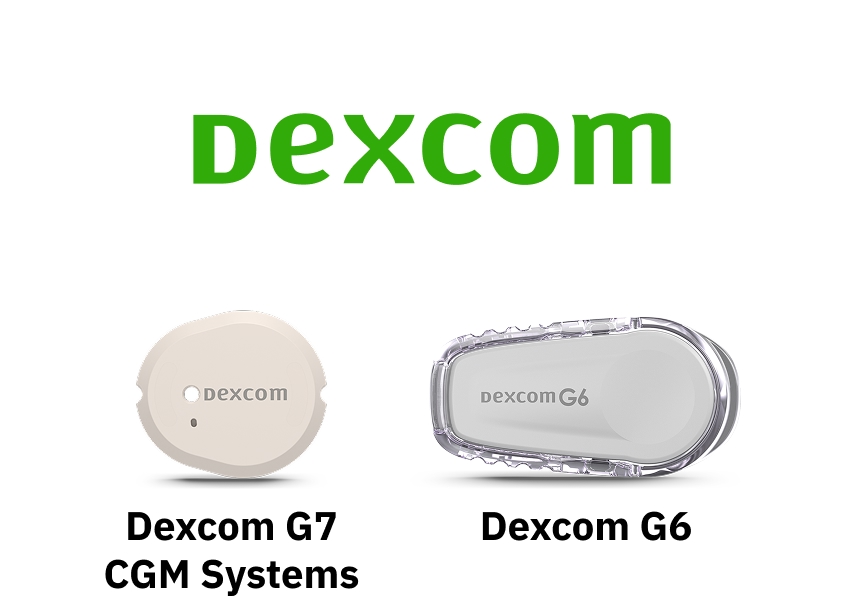
Dexcom G7 CGM Systems and Dexcom G6 Dexcom G7 CGM Systems and Dexcom G6

The Omnipod 5 with Dexcom G7 CGM Systems or Dexcom G6 can be managed from a compatible iPhone, Android smartphone or the provided Controller.

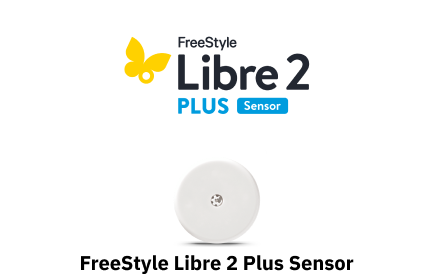
Libre Sensor Libre Sensor

The Omnipod 5 Pod and Free Style Libre 2 Plus Sensor are both managed through the Omnipod 5 App on the provided Controller.

For more information visit omnipod.com/compatibility

CGM sensors shown without the necessary adhesive.

Dexcom is in the process of discontinuing Dexcom G6 to focus on delivering the next generation of CGM. Omnipod 5 will continue to support integration with Dexcom G6 for as long as this sensor remains available. For more information, please visit www.dexcom.com or contact Dexcom support.

Activate these Omnipod 5 features when you connect a sensor

Smart Adjust Icon

SmartAdjust™ Technology

To help protect against highs and lows4-6 our algorithm adjusts to your insulin needs every 5 minutes based on readings from your sensor.

Smart Bolus Icon

SmartBolus Calculator

The SmartBolus Calculator can suggest a bolus dose based on carb amounts and current sensor trend and value, so you don’t have to.

Activity Icon

Activity Feature

When enabled, this feature reduces insulin delivery for times when glucose typically goes low, like during exercise.

Get started with Omnipod 5

Click below to get a complimentary benefits check.

Note: If you’re already on Omnipod 5 and want to learn more about CGM sensor integrations, skip this step and talk to your doctor.
Podder Podder

1. Study in 240 people with T1D aged 6 - 70 years involving 2 weeks standard diabetes therapy followed by 3 months Omnipod 5 use in Automated Mode. Average day time (6AM-12AM) in Target Glucose range (from CGM) in adults/adolescents and children for standard therapy vs Omnipod 5 = 64.8% vs. 72.5%; 51.5% vs. 64.6%. Average overnight (12AM-6AM) in Target Glucose range (from CGM) in adults/adolescents and children for standard therapy vs Omnipod 5 = 64.3% vs. 78.1%; 55.3% vs. 78.1%. Brown et al. Diabetes Care (2021).

2. Study in 80 people with T1D aged 2 - 5.9 yrs involving 2 weeks standard diabetes therapy followed by 3 months Omnipod 5 use in Automated Mode. Average time in Target Glucose range (6AM-12AM) from CGM in standard therapy vs Omnipod 5 = 58.2% vs. 64.3%. Average time in Target Glucose range (12AM-6AM) from CGM in standard therapy vs. Omnipod 5 = 60.6% vs 82.4%. Sherr JL, et al. Diabetes Care (2022).

3. Insulet Data on File. SECURE-T2D Clinical Study Report. 2024. Prospective pivotal trial in 305 participants with T2D aged 18-75 yrs. Study included a 14-day standard therapy (ST) phase followed by a 13-week Omnipod 5 hybrid closed-loop phase. Mean overnight time 70-180 mg/dL (12AM-6AM) as measured by CGM: ST = 49%, 3-mo Omnipod 5 = 70%. Mean daytime 70-180 mg/dL (6AM-12AM) as measured by CGM: ST = 44%, 3-mo Omnipod 5 = 64%. Statistical testing not done to assess significance of change between ST phase and Omnipod 5 System phase. 

4. Study in 240 people with T1D aged 6 - 70 years involving 2 weeks standard diabetes therapy followed by 3 months Omnipod 5 use in Automated Mode.  Average overnight time (12AM-6AM) with high blood glucose in adults/adolescents and children for standard therapy vs. Omnipod 5 = 32.1% vs. 20.7%; 42.2% vs. 20.7%.  Average day time (6AM-12AM) with high blood glucose in adults/adolescents and children for standard therapy vs. Omnipod 5 = 32.6% vs. 26.1%; 46.4% vs. 33.4%.  Median overnight time (12AM-6AM) with low blood glucose in adults/adolescents and children for standard therapy vs. Omnipod 5 = 2.07% vs. 0.82%; 0.78% vs. 0.78%.  Median day time (6AM-12AM) with low blood glucose in adults/adolescents and children for standard therapy vs. Omnipod 5 = 1.91% vs. 1.08%; 1.17% vs. 1.62%.  Brown et al. Diabetes Care (2021). 

5. Study in 80 people with T1D aged 2 - 5.9 yrs involving 2 weeks standard diabetes therapy followed by 3 months Omnipod 5 use in Automated Mode. Average time with high blood glucose overnight from CGM in standard therapy vs. Omnipod 5 = 38.4% vs. 16.9%. Average time with high blood during daytime from CGM in standard therapy vs. Omnipod 5 = 39.7% vs. 33.7%.  Average time with low blood glucose overnight from CGM in standard therapy vs. Omnipod 5 = 3.41% vs. 2.13%. Average time with low blood glucose during daytime from CGM in standard therapy vs. Omnipod 5 = 3.44% vs. 2.57%. Sherr JL, et al. Diabetes Care (2022).

6. Pasquel FJ, et al. Presented at: ADA; June 21-24, 2024; Orlando, FL. Prospective pivotal trial in 305 participants with T2D aged 18-75 yrs. Study included a 14-day standard therapy (ST) phase followed by a 13-week Omnipod 5 hybrid closed-loop phase. Mean time <70 mg/dL as measured by CGM: ST = 0.2%, 3-mo Omnipod 5 = 0.2%, P<001. Mean time >180 mg/dL as measured by CGM: ST = 54%, 3-mo Omnipod 5 = 34%, P<0.001. Comparison is relative change.