What is a glucometer? Everything you need to know
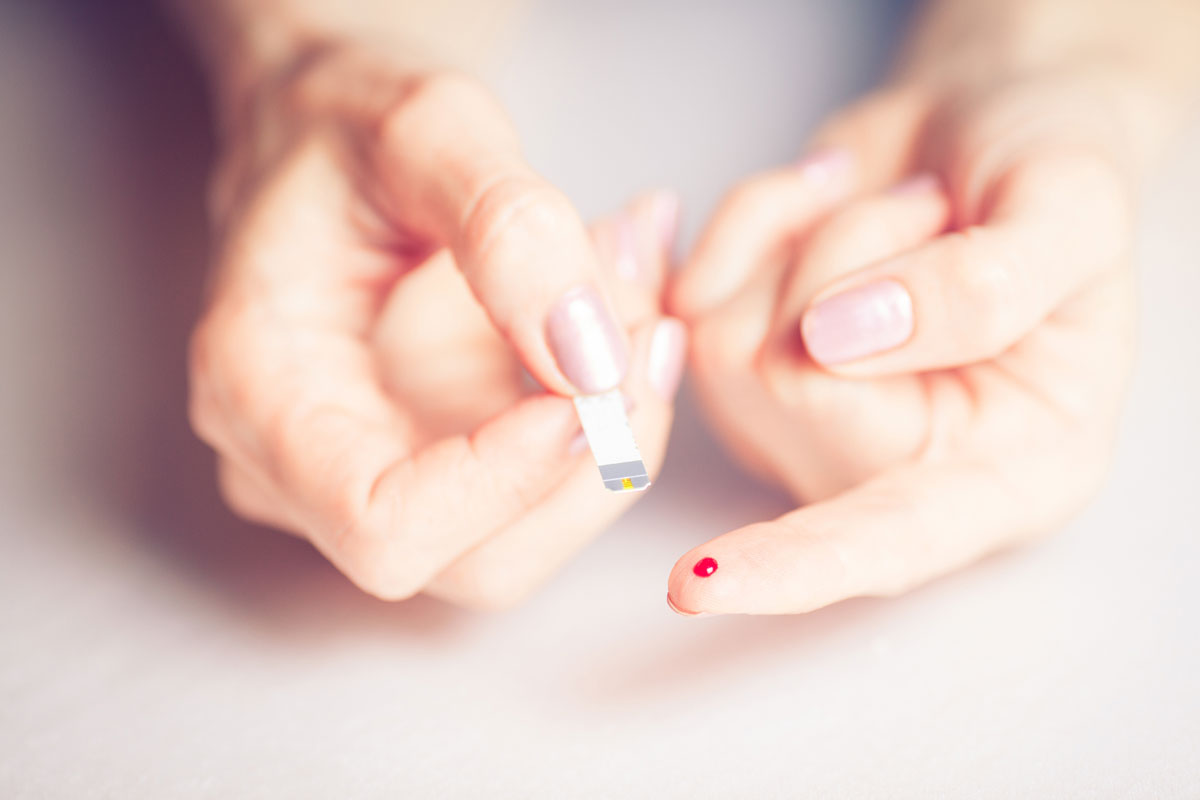
If you have diabetes, checking your blood glucose is an important part of daily management. Two common tools for this are glucometers (also called blood glucose meters) and continuous glucose monitors (CGMs). But what exactly is a glucometer, and how does it compare to a CGM? This article will provide an overview of what a glucometer is, how it works, and what the key differences are between fingerstick glucose checks and continuous glucose monitoring.
What is a glucometer?
A glucometer is a device that measures the amount of glucose (sugar) in your blood. These devices became widely available in the 1980s, replacing older methods that required urine testing or lab visits.
Glucometers use a small drop of blood from your fingertip or other approved locations, to measure your glucose level at a given moment in time. Multiple readings taken throughout the day can help you better understand patterns and trends in your glucose levels over time.
Today, there are many kinds of blood glucose meters available. Some may have special features, such as connecting to smartphone apps for tracking trends, or allowing blood glucose checks from alternate sites, such as the palm or forearm, instead of the fingertip.
What is a glucometer used for?
A glucometer is used to measure your current blood glucose level, helping you make daily diabetes management decisions. These readings can inform decisions about when to eat, be physically active, or take insulin. They can also help confirm whether symptoms you’re experiencing may be related to high blood glucose (hyperglycemia) or low blood glucose (hypoglycemia).
CGM vs. glucometer: what’s the difference?
Glucose levels are monitored using a CGM or a glucometer. When considering which one might be right for you, it’s important to know what the key components are for each and how they are different from one another.
Most glucometers consist of three components:
- The meter: displays your blood glucose reading upon conducting a fingerstick check.
- The lancing device: houses the needle (lancet) that you will use to prick your finger.
- The test strips: insert into the meter to initiate a blood glucose check.
A CGM system also includes three parts:
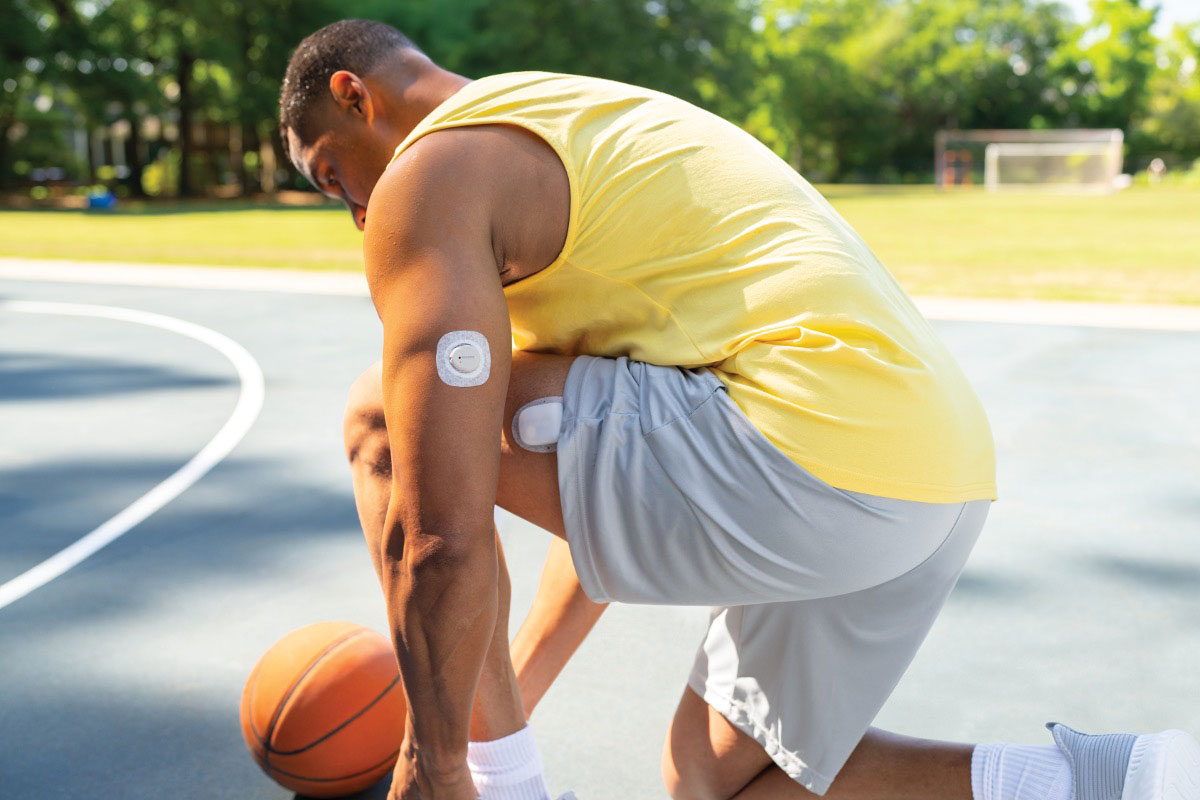
- The sensor: sticks to the body using an adhesive patch, with a thin filament inserted under the skin. Every few minutes it takes a reading from interstitial fluid, which is different from the glucose reading taken via a blood drop from the finger.
- The transmitter: can be clipped onto the sensor or is built into the sensor. It communicates the reading wirelessly to the display device.
- The smartphone app or receiver (display device): where you can easily view your current glucose reading and track the direction of your glucose levels, as well as trends over time.
Here are the key differences:
- Glucometers measure your blood glucose at a single point in time. It tells you what your glucose level is right now, but not how it has changed throughout the day.
- CGMs continuously track glucose levels throughout the day and night. A CGM shows trends over time and can provide alerts when glucose levels are getting too high or too low.
CGM vs. glucometer accuracy
Fingerstick readings from a glucometer are generally considered very accurate for blood glucose. This is because the Food and Drug Administration (FDA) requires all approved glucometers to be accurate within approximately 15-20% above or below an actual reading.1 CGMs are very helpful for spotting patterns and are usually accurate enough for treatment decisions, but if the reading doesn’t match how you feel, confirm it with a fingerstick test before making treatment decisions.
It’s also important to remember that factors such as damaged or outdated glucometer test strips, or extreme temperatures, residue on your skin, and other variables could result in inaccurate readings, whether you’re using a glucometer or CGM.2 Contact the manufacturer of your glucometer or CGM if you have accuracy concerns.
Automated insulin delivery (AID) systems
Automated insulin delivery (AID) systems combine an insulin pump with a CGM to help keep glucose levels in range. Generally, AID systems feature built-in algorithms that adjust insulin automatically based on real-time readings from your CGM. While you might find that you’re using your glucometer less frequently on an AID system, it’s important to remember to keep a blood glucose meter available as part of your backup plan for managing diabetes.
Omnipod® 5 Automated Insulin Delivery System
The Omnipod 5 system is a tubeless pump that works with a CGM to deliver insulin automatically. Its algorithm adapts to your insulin needs over time, helping you stay in range by protecting you from highs and lows.3-5 You can control it from a smartphone app and set personalized targets for flexibility and convenience.
Your diabetes care team can help you decide which combination works best for your lifestyle. Learn more about which CGM sensors are compatible with Omnipod 5.
Glucometer FAQs
Do I need a prescription for a glucometer?
Are glucometers covered by insurance?
How much does a glucometer cost?
How should I choose the right glucometer?
How long does a glucometer last?
Can an Apple Watch or smartphone app replace a glucometer?

Related Articles


Other topics
References and Disclaimers
1. American Diabetes Association. Blood Glucose Meters Can Play an Important Role in Diabetes Care | ADA. https://diabetes.org/about-diabetes/devices-technology/blood-glucose-meters-important-role-in-diabetes-care (accessed 2026-07-24).
2. Castro, R. 10 Tips to Accurately Measure Your Blood Sugar Levels; 2023. https://www.mayoclinic.org/diseases-conditions/diabetes/expert-answers/blood-glucose-monitors/faq-20057902 (accessed 2026-07-24).
3. Brown S. et al. Diabetes Care. 2021;44:1630-1640. Prospective pivotal trial in 240 participants with T1D aged 6 - 70 yrs. Study included a 14-day standard therapy (ST) phase followed by a 3-month Omnipod 5 hybrid closed-loop (HCL) phase. Mean time in range (3.9-10.0 mmol/L or 70-180mg/dL) in adults/adolescents as measured by CGM: ST = 64.7%, 3-mo Omnipod 5 = 73.9%, P<0.0001. Mean time in range (3.9-10.0 mmol/L or 70-180mg/dL) in children as measured by CGM: ST = 52.5%, 3-mo Omnipod 5 = 68.0%, P<0.0001. Mean time in hyperglycaemic range (>10.0 mmol/L or >180mg/dL) as measured by CGM in adults/adolescents and children ST vs. 3-mo Omnipod 5: 28.9% vs. 22.8%; 44.8% vs 29.7%, P<0.0001, respectively. Mean time in hypoglycaemic range in adults/adolescents (<3.9 mmol/L or <70mg/dL as measured by CGM) as measured by CGM: ST = 1.89%, 3-mo Omnipod 5 = 1.32%, P<0.0001. Mean time in hypoglycaemic range in children (<3.9 mmol/L or <70mg/dL as measured by CGM): ST = 2.21%, 3-mo Omnipod 5 = 1.78%, P<0.0456.
4. Sherr J. et al. Diabetes Care. 2022; 45:1907-1910. Single-arm multicenter clinical trial in 80 pre-school children (aged 2-5.9 yrs) with T1D. Study included a 14-daystandard therapy (ST) phase followed by a 3-month AID phase with Omnipod 5system. Mean time in range (3.9-10.0 mmol/L or 70-180mg/dL) as measured by CGM in children ST vs. 3-mo Omnipod 5: 57.2% vs 68.1%, P<0.0001. Mean time in hyperglycaemic range (>10.0 mmol/L or >180mg/dL) as measured by CGM in children ST vs. 3-mo Omnipod 5: 39.4% vs. 29.5%, P<0.0001, respectively. Mean time in hypoglycaemic range (<3.9mmol/L or <70mg/dL as measured by CGM) ST = 3.43% vs Omnipod 5: 2.46%, P<0.0001.
5. Pasquel FJ, et al. JAMA Network Open (2025). Prospective pivotal trial in 305 participants with T2D aged 18-75 yrs. Study included a 14-day standard therapy (ST) phase followed by a 13-week Omnipod 5 hybrid closed-loop phase. Mean time in range (70-180 mg/dL, 3.9-10mmol/L): ST vs. 13-week Omnipod 5: 45% vs. 66%, P<0.001. +4.8 hours/day. Mean time >180 mg/dL (10mmol/L) as measured by CGM: ST = 54%, 3-mo Omnipod 5 = 34%, P<0.001. Mean time <70 mg/dL (<3.9mmol/L) as measured by CGM: ST = 0.2%, 3-mo Omnipod 5 = 0.2%.
The Omnipod® 5 Automated Insulin Delivery System is indicated for use by individuals with type 1 diabetes mellitus in persons 2 years of age and older and type 2 diabetes mellitus in persons 18 years of age and older. The Omnipod 5 System is intended for single patient, home use and requires a prescription. The Omnipod 5 System is compatible with the following U-100 insulins: NovoLog®, Humalog®, Admelog®, and Kirsty®.
Refer to the Omnipod 5 Automated Insulin Delivery System User Guide and www.omnipod.com/safety for complete safety information including indications, contraindications, warnings, cautions, and instructions. Warning: DO NOT start to use the Omnipod 5 System or change settings without adequate training and guidance from a healthcare provider. Initiating and adjusting settings incorrectly can result in over-delivery or under-delivery of insulin, which could lead to hypoglycemia or hyperglycemia. WARNING: SmartAdjust technology should NOT be used by anyone under the age of 2 years old. SmartAdjust technology should also NOT be used in people who require less than 5 units of insulin per day as the safety of the technology has not been evaluated in this population.
Available products subject to current insurance coverage and product indication for use. Insulet can only support onboarding for those customers within the product indication.