Glucose levels explained: normal ranges and what they mean

Managing glucose levels, often called blood sugar levels, is an important part of diabetes management. But why does it matter, and what is considered a “normal” glucose range for someone living with diabetes? This article will explain the significance of regular glucose testing, how to do it, and what it means in the broader context of your diabetes care regimen.
What is glucose and why does it matter?
Glucose is a primary energy source for the body. It enters the bloodstream from foods and drinks that you consume. Insulin helps move glucose from the bloodstream into the body's cells for energy. When the body doesn't make enough insulin or can't use it effectively, glucose can build up in the bloodstream and lead to higher glucose levels.
What are normal glucose levels?
While there is no single glucose level that is right for everyone, it’s important to know different diagnostic ranges and management targets. Your healthcare team can help you identify the range that is appropriate for you.
The American Diabetes Association recommends the following targets for pre- and post-meal glucose levels: 1
- Pre-meal – 80-130 mg/dL
- Post-meal – Less than 180 mg/dL
Post-meal glucose levels are typically measured one to two hours after the beginning of the meal, since that is usually when glucose levels peak for people with diabetes.
Fasting vs. post-meal glucose
A fasting glucose level is measured after you haven’t had anything to eat or drink (except water) for at least eight hours before the test.1
A post-meal glucose level is commonly checked one to two hours after the beginning of a meal. Glucose levels often rise after eating, particularly if the meal contains carbohydrates, and then fall in response to insulin.
Understanding your post-meal glucose patterns can help you and your healthcare team determine whether your insulin dosing is effectively managing the rise in glucose that occurs after eating.
What glucose level should I be worried about?
One reading outside of your expected range could happen for many reasons. Although glucose levels below 70 mg/dL and above 180 mg/dL are commonly used thresholds for low and high glucose, the range that’s right for you may be different.1 An unusual number does not automatically mean that something is wrong. Talk with your healthcare team about your target range and what steps to take if your glucose levels fall outside of it.
Signs your glucose may be too high or too low
Glucose levels can be outside your target range without causing noticeable symptoms. But when symptoms do occur, the following are common:
High blood sugar, also known as hyperglycemia: 2
- Urinating (peeing) a lot
- Feeling thirsty/having a very dry mouth
- Shortness of breath
- Breath that smells fruity
- Nausea
Low blood sugar, also known as hypoglycemia: 3
- Shaking
- Dizziness
- Becoming easily irritated, tearful, anxious or moody
- Hunger
- Blurred vision
- Difficulty concentrating
- Weakness
- Confusion
- Sweatiness
- Changes in behavior
- Palpitations (feeling like your heart is beating too fast)
Remember that these symptoms differ from person to person and could overlap with other conditions. Whenever possible, check your glucose levels rather than relying on symptoms alone.
What causes high glucose levels?
A common cause of high glucose levels for people with type 1 diabetes, or those with type 2 diabetes who use insulin, is not dosing enough insulin for the carbohydrates in food. In addition, there are other factors that could cause high glucose levels, such as stress, illness, physical activity, dawn phenomenon (a surge of hormones that spike glucose levels early in the morning), and many others.2 Ask your healthcare team about which factors may affect your glucose levels and how to adjust your diabetes management plan.
How do I check my glucose level?
Glucose levels can be checked using a blood glucose meter or a continuous glucose monitor (CGM).
Blood glucose meters
A blood glucose meter measures glucose in a small drop of blood, usually taken from a fingertip. The result shows your glucose at that moment in time.
A fingerstick check can help you monitor glucose before or after a meal and confirm whether your current symptoms may be related to a high or low glucose level.
Continuous glucose monitors
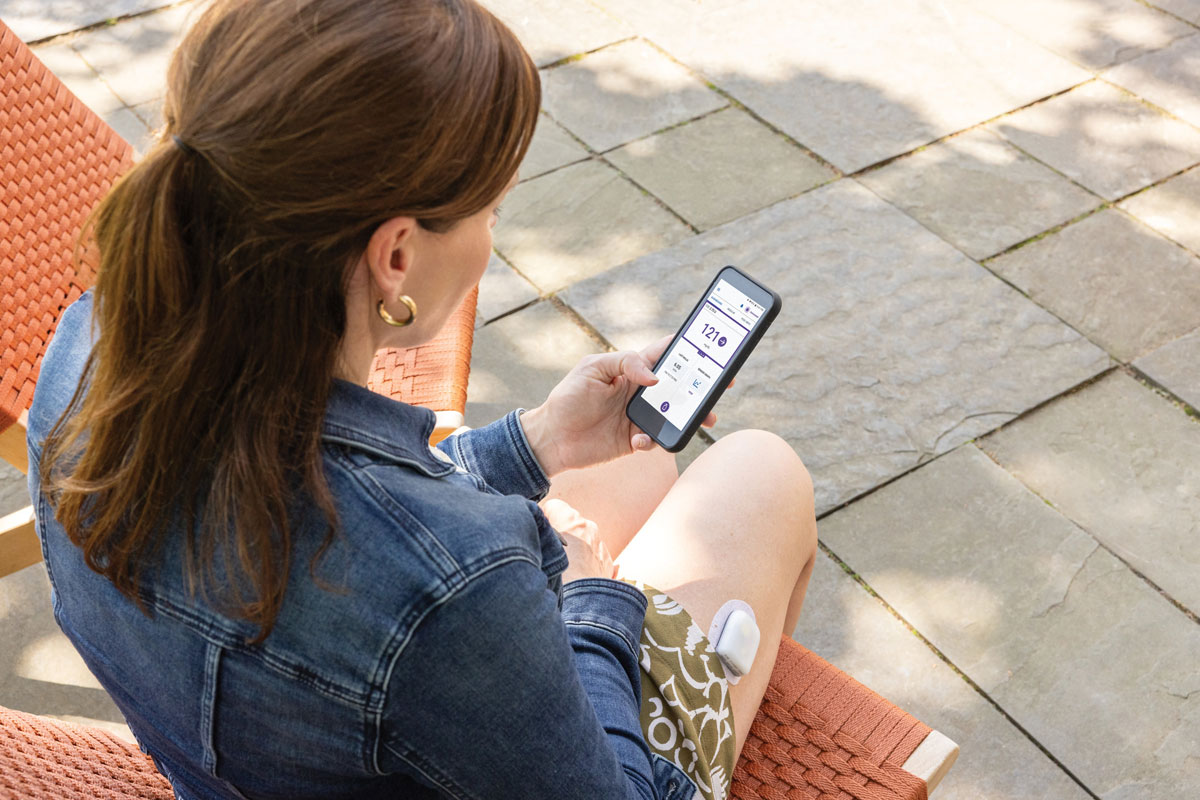
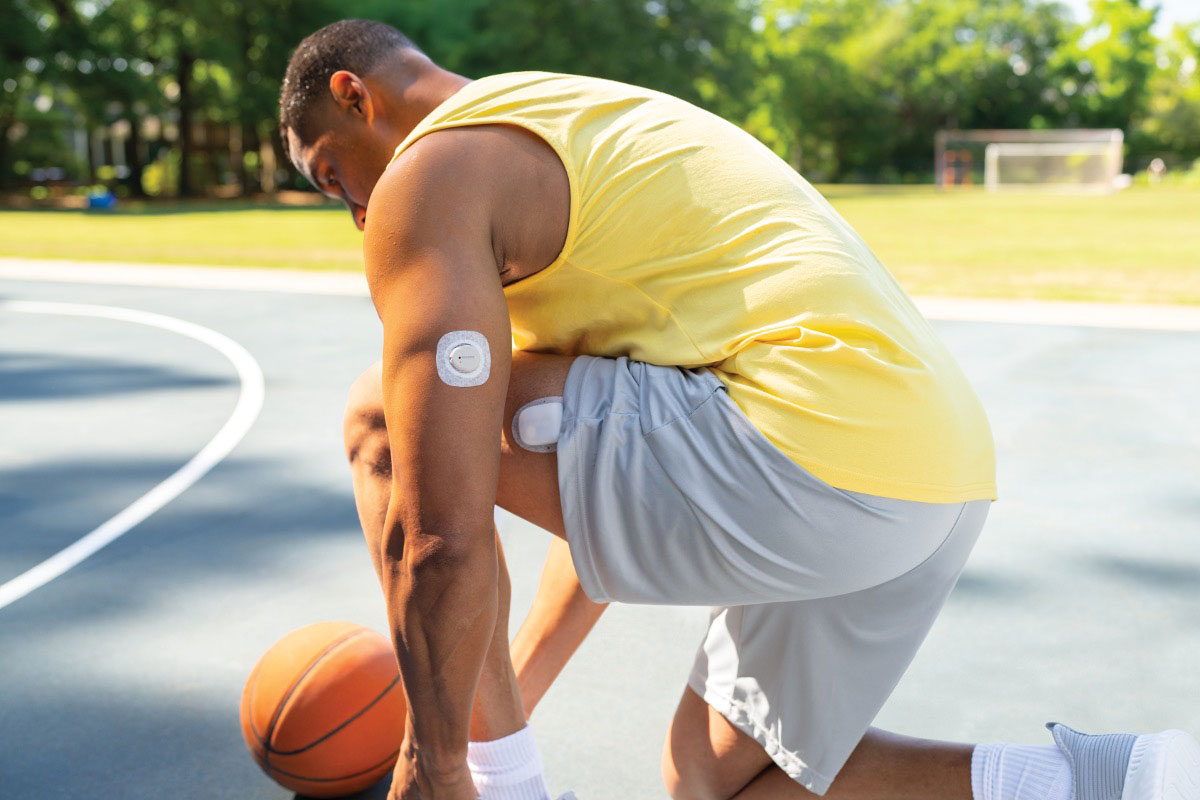
Continuous glucose monitors typically involve a sensor that uses a thin, thread-like filament which sits just under the skin and measures glucose in the interstitial fluid (the fluid around your cells) every few minutes. The glucose data is then displayed on a smartphone app or dedicated receiver.
CGMs allow you to see your current glucose readings, view trend arrows, and review patterns over time.
How do A1C and time in range (TIR) relate to my glucose levels?
If you live with diabetes, your healthcare team will likely request regular A1C tests. This number reflects your average glucose level over the past three months and helps guide long-term treatment decisions.
Your team may also look at data from your CGM sensor, including your TIR, which is the percentage of time your glucose levels stay within your target range. Together, A1C and TIR give a clearer picture of your daily glucose patterns, helping your team spot trends and make adjustments that support your long-term health. Addressing these patterns, especially if your levels are running high, can help reduce the risk of long-term complications.
How can I lower my glucose levels?
There are many factors to consider when lowering glucose levels. What works best for you will depend on why glucose is elevated, your treatment plan, and your overall health. In general, a combination of eating a healthy diet, maintaining a healthy weight, and getting regular physical activity can all help.4
Discuss additional strategies for lowering glucose levels with your healthcare team, who can help you determine what will work best for you and your lifestyle.
How Omnipod® 5 supports glucose management
For people with diabetes who use insulin, advancements in diabetes technology have made it easier to stay informed about glucose levels and respond to changing needs throughout the day. The Omnipod 5 Automated Insulin Delivery System is a tubeless, wearable device that works with a compatible CGM to automatically adjust insulin every 5 minutes.
To explore compatibility in detail, visit Omnipod 5 sensors. Learn more about the Omnipod 5 system here.

Related Articles

References and Disclaimers
1. Bajaj M, McCoy RG, Balapattabi K, et al. 6. Glycemic Goals, Hypoglycemia, and Hyperglycemic Crises: Standards of Care in Diabetes—2026. Diabetes Care2025;49(Supplement_1):S132-S149. doi:10.2337/dc26-s006
2. American Diabetes Association. Hyperglycemia (High Blood Glucose) | ADA. 2023. Accessed August 14, 2026. https://diabetes.org/living-with-diabetes/treatment-care/hyperglycemia
3. American Diabetes Association. Signs, Symptoms, and Treatment for Hypoglycemia (Low Blood Glucose) | American Diabetes Association. 2024. Accessed August 14, 2026. https://diabetes.org/living-with-diabetes/hypoglycemia-low-blood-glucose/symptoms-treatment
4. CDC. Manage Blood Sugar. 2024. Accessed August 14, 2026. https://www.cdc.gov/diabetes/treatment/index.html
The Omnipod 5 Automated Insulin Delivery System is indicated for use by individuals with type 1 diabetes mellitus in persons 2 years of age and older and type 2 diabetes mellitus in persons 18 years of age and older. The Omnipod® 5 System is intended for single patient, home use and requires a prescription. The Omnipod® 5 System is compatible with the following U-100 insulins: NovoLog®, Humalog®, Kirsty®, and Admelog®.
The Omnipod® 5 ACE Pump (Pod) is intended for the subcutaneous delivery of insulin, at set and variable rates, for the management of diabetes mellitus in persons requiring insulin. The Omnipod® 5 ACE Pump is able to reliably and securely communicate with compatible, digitally connected devices, including automated insulin dosing software, to receive, execute, and confirm commands from these devices. The Omnipod 5 ACE Pump is intended for single patient, home use and requires a prescription.
The Omnipod 5 algorithm is intended for use with compatible integrated continuous glucose monitors (iCGM) and alternate controller enabled (ACE) pumps to automatically increase, decrease, and pause delivery of insulin based on current and predicted glucose values. The Omnipod 5 algorithm is intended for the management of type 1 diabetes mellitus in persons 2 years of age and older and type 2 diabetes mellitus in persons 18 years of age and older. The Omnipod 5 algorithm is intended for single patient use and requires a prescription.
The Omnipod® 5 SmartBolus Calculator is software intended for the management of diabetes in persons aged 2 and older requiring rapid-acting U-100 insulin. The SmartBolus Calculator calculates a suggested bolus dose based on user-entered carbohydrates, most recent sensor glucose value (or blood glucose reading if using fingerstick), rate of change of the sensor glucose (if applicable), insulin on board (IOB), and programmable correction factor, insulin to carbohydrate ratio, and target glucose value.
Warning: The Omnipod 5 algorithm should NOT be used by anyone under the age of 2 years old. The Omnipod 5 algorithm should also NOT be used in people who require less than 5 units of insulin per day as the safety of the technology has not been evaluated in this population.
The Omnipod® 5 System is NOT recommended for people who are unable to monitor glucose as recommended by their healthcare provider, are unable to maintain contact with their healthcare provider, are unable to use the Omnipod® 5 System according to instructions, are taking hydroxyurea and using a Dexcom Sensor as it could lead to falsely elevated sensor glucose values and result in over-delivery of insulin that can lead to severe hypoglycemia, and do NOT have adequate hearing and/or vision to allow recognition of all functions of the Omnipod® 5 System, including alerts, alarms, and reminders. The Pod must be removed before Magnetic Resonance Imaging (MRI), Computed Tomography (CT) scan, or diathermy treatment, and the Controller and smartphone should be placed outside of the procedure room. Exposure to MRI, CT, or diathermy treatment can damage the components. Visit www.omnipod.com/safety for additional important safety information.
Warning: DO NOT start to use the Omnipod® 5 System or change settings without adequate training and guidance from a healthcare provider. Initiating and adjusting settings incorrectly can result in over-delivery or under-delivery of insulin, which could lead to hypoglycemia or hyperglycemia.