Learning to Let Go: A Type 1 Mum’s Journey Toward Independence
The Constant Balancing Act
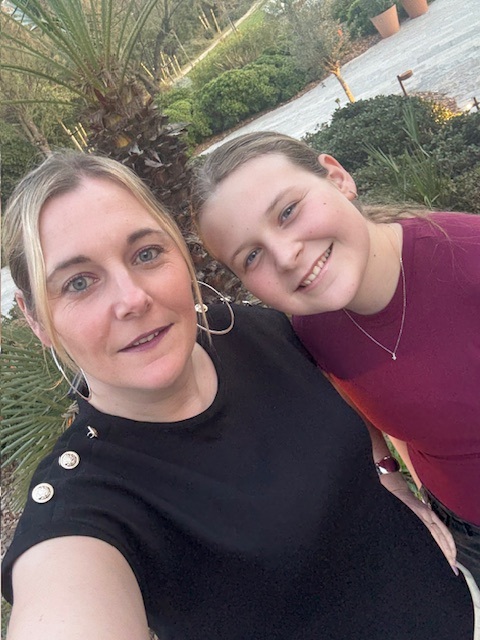
One of the hardest parts of being a mum to a child with type 1 diabetes is learning when to step back. Knowing when to give independence, when to offer space, and when to let go - it never feels simple. As we travel home from the All for One event, my heart feels full. Skye is surrounded by so much love, support and understanding, and seeing that reminds me how far she’s come—and how far I’ve come with her.
The Protective Instinct
I’ve always found it difficult to give Skye independence. She’s naturally confident and capable, but she’s also my little girl. No matter how old she gets, I can’t forget the day she was rushed into the resuscitation room. That moment changed everything. It made me protective in a way that’s hard to explain unless you’ve lived it. Type 1 doesn’t just enter your child’s life—it enters yours too.
Life After Diagnosis
Skye has never let type 1 stop her from living fully. She throws herself into everything she does, but that doesn’t mean it’s easy. Life with type 1 means preparing more, thinking ahead, and being ready for hypos and hypers at the worst possible times. It means carrying the invisible weight of “what if” everywhere you go.
She was ten when she was diagnosed. Before that, she had the freedom to run to the park with friends, to explore, to feel carefree. After diagnosis, the first time she asked to go out again, I felt physically sick. She was determined, though, and I had promised her that type 1 wouldn’t take her life away. So we talked through everything she needed to do, everything she needed to carry, everything she needed to remember. She was only around the corner, she’s always been sensible—but I still paced the house until she came home. The relief when she walked back through the door was overwhelming.
Finding Our Rhythm
From the very beginning, Skye took charge of her injections, Pod changes and finger pricks. She learned to recognise her hypos, to treat them, to stay calm. New technology helped too. Being able to see her blood sugar levels gave me a sense of control I desperately needed. I slept better knowing I could check on her, but she didn’t always appreciate me hovering. The constant questions—Have you eaten? Have you corrected? What are your ketones?—became a source of tension. I didn’t want to nag her, but I loved her so deeply that the fear of her becoming unwell again was always there.
The Duke of Edinburgh Test
One of the biggest tests of independence came with the Duke of Edinburgh Award. I recommend it to any parent of a type 1 child. It gave Skye the chance to push herself, to take responsibility, while still having teachers nearby if something went wrong. The school were brilliant—they even had a doctor volunteering on the first trip.
While Skye walked for hours, barely eating because the food “wasn’t good enough,” I sat at home watching her blood sugars. In the early hours of the morning, they dropped. I rang and rang as the numbers fell lower. She’d slept through her alarms. When she finally answered, she whispered, “Mum, I’ve got this.” Those five minutes waiting for her levels to rise felt like an eternity.
Her next Duke of Edinburgh trip felt different. She had the Omnipod® 5, more experience, more confidence. I felt calmer knowing she had technology that could help correct her levels automatically. It felt like someone else was sharing the load with me. She completed her Silver Award independently, and the instructors kept me updated throughout. Having the right support—friends, teachers, people who understand—makes all the difference.
A Mother’s Worst Fear
But even with all the progress, the fear never fully disappears. Recently, I received a call from school: “Skye hasn’t turned up to periods 1 or 2. We’re worried. We can’t find her.” My heart dropped. They asked if I was sure I’d seen her walk through the gates. I had.
Suddenly I was back in that resuscitation room, reliving every emotion—panic, dread, helplessness. Her blood sugars weren’t showing because the area had an internet issue. My mind spiralled. Was she lying somewhere in a hypo? Was she unwell? Was she alone?
Then she rang. “Mum, what’s going on? I was in my speaking exam. Why are you calling so much?” I broke down. I sobbed with pure relief. When she came home, I hugged her tighter than ever. She laughed gently, “Mum, don’t be silly. I was fine.”
Seeing Her Strength
This weekend, watching her at the All for One event, I realised something important. Skye isn’t that ten year old girl anymore. She’s strong, independent, thoughtful and mature. She speaks openly about her feelings. She handles challenges with resilience.
I kept my promise—type 1 hasn’t stopped her from doing anything. But it has taken her on a path we never expected, one filled with highs and lows. And she’s handled every twist with courage.
We’re Not Alone
Listening to other Podders and parents this weekend reminded me that I’m not alone. So many of us struggle with the balance between protecting our children and letting them grow. Whether your child has type 1 or not, the worry never disappears. But independence comes in stages, at their pace, not ours. And sometimes, like this weekend, you get to step back and see just how far they’ve come.
Skye is brave, strong and smart. She knows it’s okay when things don’t go to plan. And I know that whatever comes next, she’ll face it head on. I’m incredibly proud of her—more than she’ll ever fully understand.