All about hyperglycemia
Hyperglycemia, or high glucose, is a common experience for people living with type 1 diabetes.
A person’s glucose will inevitably go out of range sometimes, but if left untreated, it can cause health problems.
Let’s look at the signs and symptoms of hyperglycemia, and how you might treat it to lower your glucose back to a safe range.
What is hyperglycemia?
Hyperglycemia (high glucose levels) is when too much glucose (sugar), usually from food, stays in the bloodstream, sending the glucose level out of target range.
Insulin is the key hormone that allows glucose to be taken from the bloodstream and moved into cells where it can be used for energy.
People with type 1 diabetes take insulin because their body no longer produces it efficiently or at all.
It’s common for people with diabetes to experience episodes of hyperglycemia as well as hypoglycemia, which is when your glucose is too low. You can check out the page on hypoglycemia here.
It can be frustrating to deal with frequent high glucose levels. It's completely normal to feel frustrated. Remember, what's most important is focusing on maintaining your personal glucose goals over the long term.
What is considered ‘high’ glucose?
For someone with diabetes, a reading above 7 mmol/L before a meal, and above 8 mmol/L two hours after a meal could be considered a high glucose level1.
However, your target level may be different depending on your age and the type of diabetes you have2, so check with your diabetes team for your personal glucose targets.
You can measure your glucose level by taking a finger prick test, or by tracking it with a continuous glucose monitor (CGM) or flash glucose monitor.
If you’re looking for more information on CGMs (sensors), we’ve got you covered here.
What causes hyperglycemia?
A common cause of hyperglycemia for people with type 1 diabetes is not dosing enough insulin for the carbohydrates in your food. But there are other reasons why your glucose levels may be too high.
Common factors include:
- Missing an insulin dose completely
- Eating more carbohydrates than either the body or insulin (or both) can cope with
- Stress
- Illness/infection
- Over-treating a hypo (low glucose)
- Hormonal changes
- Certain types of exercise can raise glucose1
Signs and symptoms of hyperglycemia
If your glucose level is a little bit elevated you may not experience any symptoms, which is why regularly checking your glucose levels can help to prevent hyperglycemia.
As glucose levels continue to rise, you may experience some of the following symptoms:
- Feeling thirsty
- Urinating (peeing) a lot
- Feeling tired or generally low in energy
Headaches
- Having trouble concentrating
- Blurred vision
- Feeling sick or having stomach pains
- Having a strange taste in your mouth3
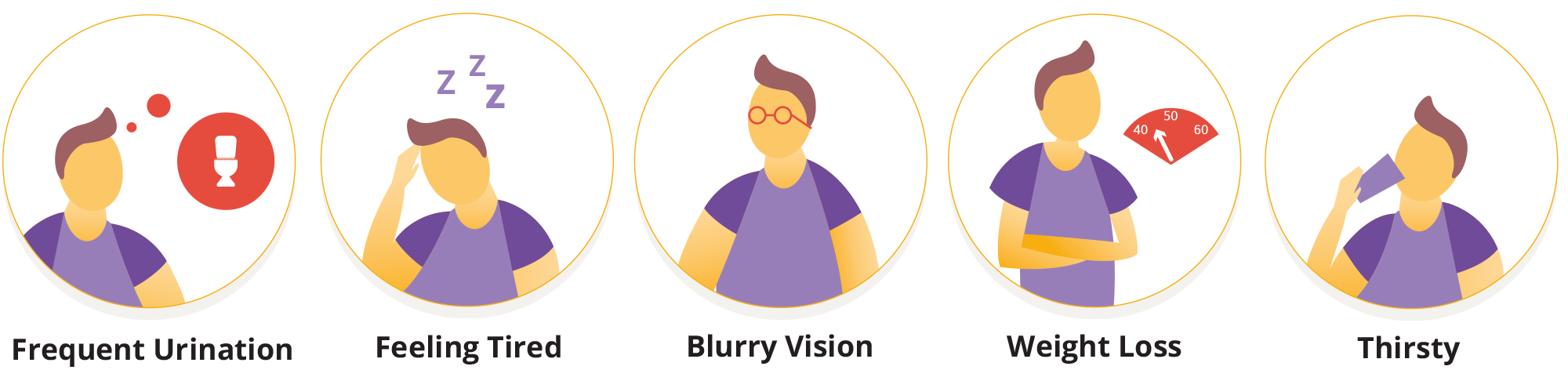
Longer term symptoms of hyperglycemia include weight loss, yeast infections or thrush, cuts that won’t heal and other recurring infections.
None of these symptoms are very nice to experience, so let’s look at how you might lower your glucose levels and get them back in range.
Lowering your glucose levels
As we mentioned, checking your glucose regularly via a finger prick test or with a continuous or flash glucose monitor can help you detect and treat hyperglycemia early. The best way to treat hyperglycemia as someone with type 1 diabetes is by taking insulin.
Your doctor or diabetes team can help you with your ‘correction factor’ or ‘insulin sensitivity factor’ which is the amount of insulin you need to bring down your glucose level by a certain amount.
Everybody’s insulin needs are different, and insulin also takes a little while to work, so it’s important to try and avoid ‘stacking’. This is when you take multiple doses of insulin in a short period of time, which could lead to hypoglycemia, or low glucose levels2.
Outside of a specific episode of hyperglycemia, here are some ways that you can help to prevent them from occurring1:
- Being aware of your carbohydrate portions and knowing how many grams of carbohydrates are covered by 1 unit of insulin is important; a carb-counting course can help you understand this in more detail - ask your healthcare team for more information.
- Try to stay active. Everything from a short walk to a long bike ride will increase your insulin sensitivity in the long term and can help your body process glucose.
- Remember to take your insulin, even if you are ill or in a different routine.
- Look at your emotional health as well as your physical health. Stress affects glucose levels, as does a lack of sleep. Focusing on your wellbeing can play an important role in glucose management.
The risks of hyperglycemia3
Mild episodes of hyperglycemia aren’t too much cause for concern, and most of the time they can be treated with insulin if your glucose level doesn’t return to a ‘normal’ level on its own.
If you’re experiencing hyperglycemia, drink plenty of water or sugar free fluids to prevent dehydration. Check your glucose levels frequently and if your readings are 13.9 mmol/L or above, check for ketones using a urine test strip or a blood ketone meter3.
Sustained periods of high glucose can become dangerous if left untreated, and you could be at risk of developing Diabetes-Related Ketoacidosis (DKA).

In DKA, your body breaks down fat for energy because it doesn’t have enough insulin to use the sugar in your blood. This produces chemicals called ketones, which make your blood more acidic.
DKA is dangerous. Too much acid in your blood can make you pass out or even cause death.3
If you’re experiencing frequent or sustained instances of hyperglycemia, speak with your diabetes care team. You may need to adjust your insulin doses, insulin to carbohydrate ratios, or possibly other aspects of your diet/lifestyle to help prevent the risk of long-term diabetes complications.
So that’s hyperglycemia explained.
You may also want to take a closer look at hypoglycemia, also known as low glucose.
- Diabetes Canada. What is diabetes? Available at: What is diabetes? - Diabetes Canada
- BreakthroughT1D™ Canada. Insulin and Blood Sugar. Available at: Insulin and blood sugar | Breakthrough T1D
- Diabetes Canada. Hyperglycemic Emergencies in Adults. Available at: Diabetes Canada | Clinical Practice Guidelines

Related Articles


References and Disclaimers
These modules are not a replacement for medical advice or training. Please always speak to a qualified healthcare professional about your options.