When pump warranties end, new possibilities begin
Before recommending what comes next, consider what has changed
Clinical needs evolve. Lifestyle needs evolve. Technology evolves, too.

Clinical outcomes
Explore whether current therapy continues to support individual treatment goals.

Everyday experience
Consider whether the person's current pump continues to fit around their daily life.

Technology choice
Review whether a different technology may now be appropriate.
Outcomes and experience that matter
When reviewing pump therapy options at warranty end, clinical outcomes and user experience both matter. Omnipod® 5 Automated Insulin Delivery works with compatible sensor technology to help automate insulin delivery day and night.1,2
#1
pump among new pump users in Europe3
17.5%
increase in Time in Range in adults4
96%
of users agreed Omnipod 5 is easy to use5
How Omnipod® 5 Automated Insulin Delivery works
With just 3 simple parts working together in a continuous loop, Omnipod 5 delivers insulin through a discreet waterproof† Pod, without the tubing associated with traditional insulin pumps. The wearable Pod is designed to support greater freedom and flexibility in day-to-day life.
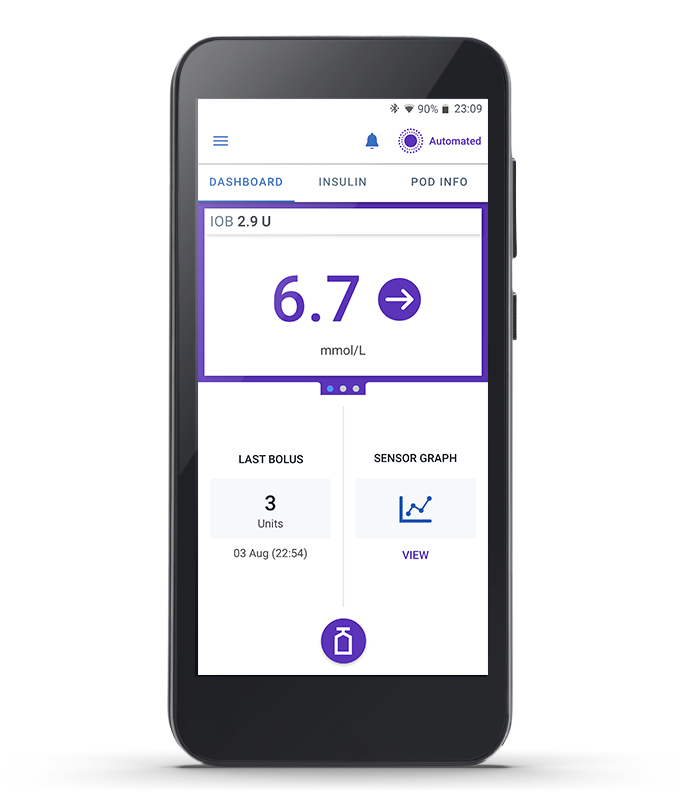
The Omnipod 5 Controller
connects via Bluetooth® for discreet, wireless control.
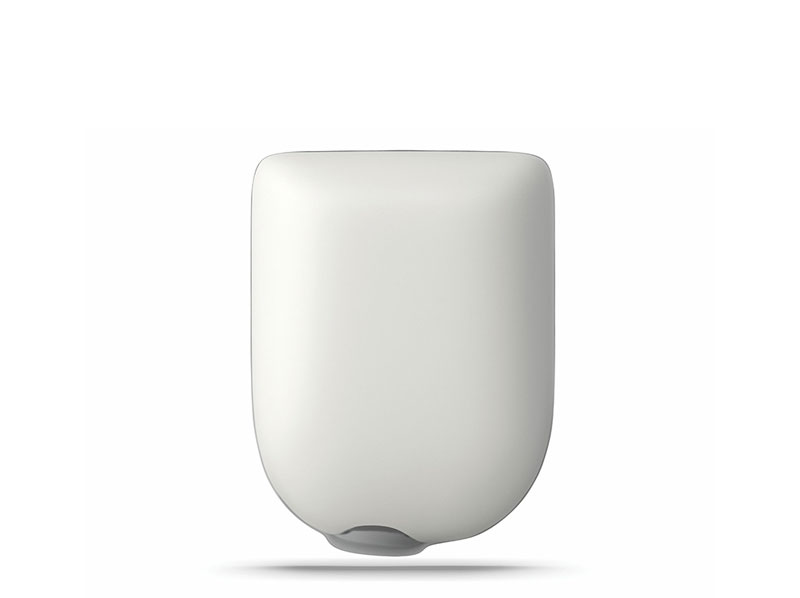
The Pod
automatically adjusts insulin delivery using the Omnipod 5 Algorithm.
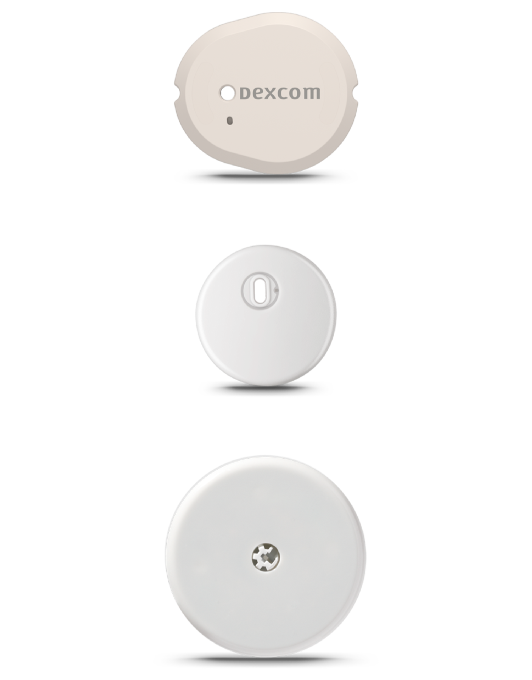
A compatible sensor
provides real-time glucose insights without routine finger pricks.*
Omnipod 5 is compatible with Dexcom G7 CGM System, FreeStyle Libre 3 Plus and FreeStyle Libre 2 Plus sensors.
Support from review through to initiation
If Omnipod 5 is considered appropriate, support is available throughout the journey.

OmnipodPromise®
A flexible initiation programme designed to help reduce barriers to change when considering Omnipod 5 at warranty end.

Omnipod Specialists
Support with introducing Pod Therapy and addressing user questions.

Omnipod training team
Expert-led virtual support for both new and existing Omnipod 5 users.
Take the next step
Do you have patients approaching pump warranty end?
Your Omnipod Representative can help you:
- Understand where Omnipod 5 may be relevant to your patient population
- Explore local access and pathway considerations
- Learn about OmnipodPromise®, initiation, and training
- Access resources to support conversations with your patients living with diabetes
*Fingersticks required for diabetes treatment decisions if symptoms or expectations do not match readings.
1. Brown S. et al. Diabetes Care. 2021;44:1630-1640. Prospective pivotal trial in 240 participants with T1D aged 6 - 70 yrs. Study included a 14-day standard therapy (ST) phase followed by a 3-month Omnipod 5 hybrid closed-loop (HCL) phase. Mean time >10.0 mmol/L or >180mg/dL (12AM-<6AM) as measured by CGM in adults/adolescents and children ST vs. 3-mo Omnipod 5: 32.1% vs. 20.7%; 42.2% vs 20.7%, P<0.0001, respectively. Mean time >10.0 mmol/L or >180mg/dL (6AM-<12AM) as measured by CGM in adults/adolescents and children ST vs. 3-mo Omnipod 5: 32.6% vs. 26.1%; 46.4% vs 33.4%, P<0.0001, respectively. Mean time <3.9 mmol/L or <70 mg/dL (12AM-<6AM) as measured by CGM in adults/adolescents and children ST vs. 3-mo Omnipod 5: 3.64% vs. 1.17%, P<0.0001; 2.51% vs. 1.78, P=0.0456, respectively. Mean time <3.9 mmol/L or <70 mg/dL (6AM-<12AM) as measured by CGM in adults/adolescents and children ST vs. 3-mo Omnipod 5: 2.64% vs. 1.37%, P<0.0001; 2.13% vs. 1.98%, P=0.2545, respectively.
2. Sherr J. et al. Diabetes Care. 2022; 45:1907-1910. Single-arm multicenter clinical trial in 80 pre-school children (aged 2-5.9 yrs) with T1D. Study included a 14-day standard therapy (ST) phase followed by a 3-month AID phase with Omnipod 5 system. Mean time >10.0 mmol/L or >180mg/dL (12AM-<6AM) as measured by CGM in children ST vs. 3-mo Omnipod 5: 38.4% vs. 16.9%, P<0.0001, respectively. Mean time >10.0 mmol/L or >180mg/dL (6AM-<12AM) as measured by CGM in children ST vs. 3-mo Omnipod 5: 39.7% vs. 33.7%, P<0.0001, respectively. Mean time <3.9 mmol/L or <70 mg/dL (12AM-<6AM) as measured by CGM in children ST vs. 3-mo Omnipod 5: 3.41% vs. 2.13%, P=0.0185. Mean time <3.9 mmol/L or <70 mg/dL (6AM-<12AM) as measured by CGM in children ST vs. 3-mo Omnipod 5: 3.44% vs. 2.57%, P=0.0799.
3. Omnipod was the most frequently chosen pump by people with diabetes in a survey conducted by dQ&A with patients across Germany, Italy, France, United Kingdom, Netherlands, Sweden. n=101. H2 2025. P.48 (Dec 2025).
4. Renard E, et al. Diabetes Care. 2024. doi:10.2337/dc24-1550. A 13-week randomised controlled trial conducted among 194 adults (age 18-70 years) with type 1 diabetes in France and the U.S., comparing the safety and effectiveness of the Omnipod 5 Automated Insulin Delivery (AID) System versus conventional non-AID pump therapy and CGM (control). Mean time in range (3.9-10.0 mmol/L or 70-180mg/dL) at 13-weeks as measured by CGM: Control = 43.8%, Omnipod 5 = 61.2%. Mean adjusted difference Omnipod 5 vs. control = 17.5%, P<0.0001.
5. 2025 Customer Survey of U.S. adults with Type 1 diabetes, n=70, 96% agreed Omnipod 5 is easy to use.