Optimising Skin Health with Wearable Diabetes Technology
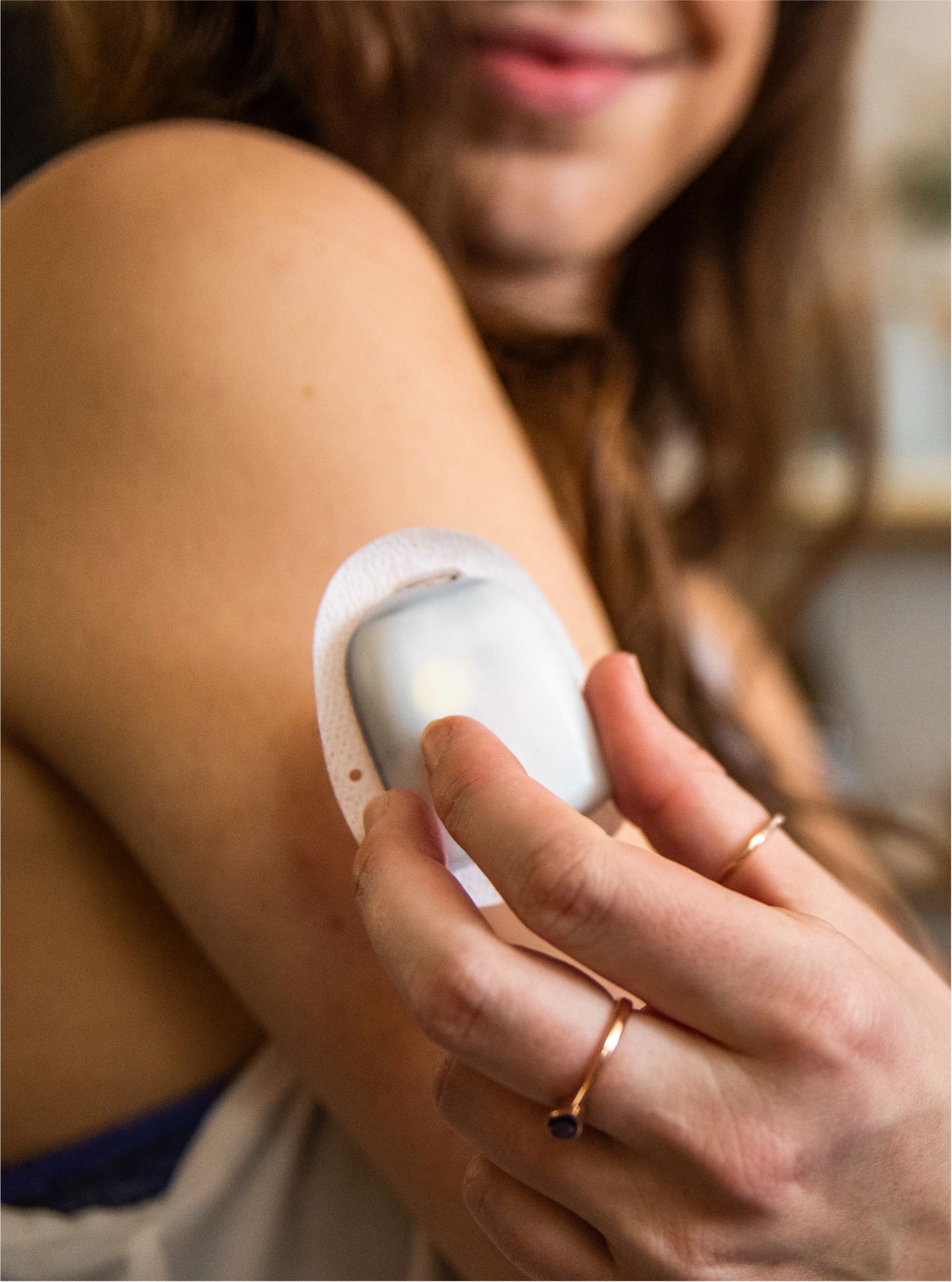
For individuals living with diabetes, wearable technologies like such as continuous glucose monitors (CGMs) and insulin pumps are transformative tools that simplify disease management. However, for 25–40% of users, skin reactions present a common yet underappreciated challenge. Studies reveal that nearly 28–29% of users experience issues like redness and itching, with prevalence rising above 40% in paediatric populations. These figures underscore the critical need for proactive management strategies, particularly for vulnerable groups.1

Beyond the physical discomfort, skin reactions significantly impact emotional well-being and quality of life, especially in children and teens. Youth dealing with skin issues report a heightened emotional burden, which can complicate their diabetes management routines. Early prevention and targeted interventions are crucial to addressing these challenges effectively.2

This article explores the skin reactions associated with wearable diabetes technology, their risk factors, and evidence-based strategies for prevention and management. With guidance, your patients can better navigate these issues and have a better treatment experience.

These topics are discussed further by HCP experts in the webinar linked below.
The Symptoms and Causes of Skin Reactions

There are Two Common Types—And Some Less Common

Skin reactions from wearable diabetes devices generally fall into two categories. It is essential to identify the type of reaction to tailor appropriate interventions for your patients.

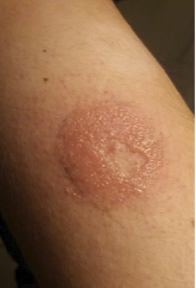
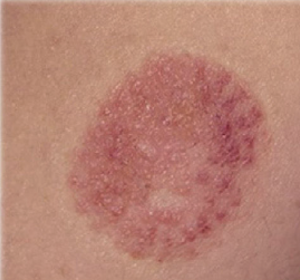
Purpuric eczema Purpuric eczema

Purpuric eczema

Irritant Contact Dermatitis:3-6

This non-immune, inflammatory reaction arises from direct damage by adhesives or device components. Symptoms include redness, scaling, burning, and itching. These reactions often resolve quickly after device removal.
 

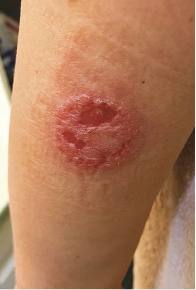
Allergic Contact Dermatitis:3-5

A Type IV hypersensitivity reaction caused by repeated exposure to allergens such as adhesives or plastic components. Symptoms include redness, swelling, intense itching, and sometimes vesicles or blisters. These reactions can escalate with ongoing exposure.

Other, less common reactions include: hematomas from insertion trauma, infections due to skin-barrier breaches, and pigment changes (hypo- or hyperpigmentation).

Allergic Contact Dermatitis Allergic Contact Dermatitis

Risk Factors

Risk factors for skin reactions are both intrinsic and extrinsic:7

Intrinsic Factors:

Age extremes (neonates and elderly), existing skin conditions (e.g., atopic dermatitis), and medical conditions such as diabetes and kidney disease increase susceptibility to skin issues.

Extrinsic Factors:

Prolonged exposure to adhesives, improper device placement, dry skin, and environmental factors like humidity and temperature can exacerbate reactions.


Strategies for Prevention and Management

Prevention Tips:

Proactive measures can significantly reduce the risk of skin reactions:

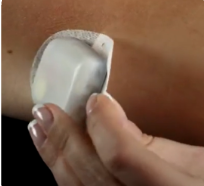
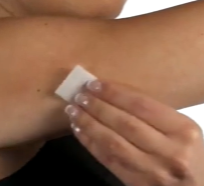
Visuals showing prevention tips Visuals showing prevention tips

Good Skin Hygiene:

Encourage patients to bathe with pH-balanced cleansers and moisturise with creams like CeraVe immediately after bathing. Avoid alcohol-based cleansers, which can dry and irritate the skin.

Barrier Protection:

Recommend barrier sprays or hydrocolloid dressings under devices to minimize direct adhesive contact with the skin.

Device Placement and Rotation:

Educate patients on proper device placement and rotation to prevent prolonged pressure on a single area. Follow the Pod Placement Guide and utilise the Pod Site tracker. Allow at least one week of rest for each site.

Removal Techniques:

Advise patients to use adhesive removal agents and remove devices slowly to avoid skin tears and bruising.


Management of Reactions

For patients experiencing skin issues, you can guide them through tailored interventions:4,9

Mild Irritation:

Suggest medium-potency topical steroids for irritant contact dermatitis. Encourage continuous use of moisturisers to restore the skin barrier.

Allergic Reactions:

Recommend switching to alternative devices or adhesives when allergies are identified. Use high-potency topical steroids for severe allergic reactions.

Persistent Issues:

In cases of ongoing reactions, patch testing can help identify specific allergens. Once the allergen is confirmed, alternative materials or devices can often resolve the issue.


Watch Out for Sensor Tape Sensitivities

Consider this Real-World Case Study Highlighting the Symptoms:

A 24-year-old woman with type 1 diabetes manages with multiple daily injections (MDI) and begins to develop redness and itching at CGM sensor sites after three years of successful use. Barrier products provide minimal relief and dermatological testing confirms sensitivity to the adhesive between the sensor and tape.

The patient switches to a different CGM brand with an alternative adhesive, resolving the issue. Six months later, she remains free of skin reactions and continues effective diabetes management without complications.

Adapted from unpublished data, Courtesy of Dr Agnes SOLA.


The Critical Role of the HCP in Patient Education

Your support is crucial in helping patients navigate the challenges of wearable diabetes technology. By promoting good skin hygiene, proper device rotation, and early detection of reactions, you can prevent minor issues from escalating. 

Collaboration with dermatologists and tools like patch testing enable personalized care, while resources like the Panther Program provide effective management strategies. Proactive education and tailored interventions empower patients to maintain healthy skin, enhancing their confidence and quality of life with these transformative devices.


To access the complete discussion and expert insights, view the full webinar by Prof. Michael Joubert from France and Dr. Maxwell Sauder from Canada.

Insulet Corporation (“Insulet”) has not tested any of the above products with the Pod and does not endorse any of the products or suppliers. The information was shared with Insulet by other Podders, whose individual needs, preferences and situations may be different from yours. Insulet is not providing any medical advice or recommendations to you and you should not rely on the information as a substitute for a consultation with your health care provider. Health care diagnoses and treatment options are complex subjects requiring the services of a qualified health care provider. Your health care provider knows you best and can provide medical advice and recommendations about your individual needs.

Refer to the Omnipod® 5 and Omnipod DASH® Insulin Management System User Guides for complete safety information including indications, contraindications, warnings, cautions, and instructions.

1.    Diedisheim M,. et al. Diabetes Technol Ther 2023 Apr;25(4):279-286
2.    Ledwoń E., et al. Children 2024 Jun 17;11(6):740
3.    National Eczema Society. Available at: www.eczema.org on August 2025
4.    Messer, L., et al. Diabetes Technol Ther. 2018; 20(S2), pp.S2-54-S2-64.
5.    Usatine RP, Riojas M. Am Fam Physician. 2010; 82(3):249-55
6.    Navarro-Triviño FJ. Actas Dermosifiliogr. 2021. https://doi.org/10.1016/j.ad.2020.09.008
7.    Fumarola S., et al. Overlooked and underestimated: medical adhesive-related skin injuries. Best practice consensus document on prevention. J Wound Care 2020; 29(Suppl 3c)
8.    Panther Program. Available at: www.pantherprogram.org/_files/ugd/29eb34_c67faea4a36b49beb05533dbb9592255.pdf on September 2025
9.    Kamann s, et al. J. Diabetes Sci Technol. 2020; 14: 582-585