Why Consider Automated Insulin Delivery (AID) for Your Patients?
AID systems like Omnipod® 5 and others represent a breakthrough in diabetes management by optimising glycaemic control. Traditional therapy often leaves patients struggling to meet glycaemic targets, with HbA1c levels remaining high despite changes in lifestyle, insulin formulations, or education efforts. As Dr. Pratik Choudhary notes, “T1D is growing, and more people need these tools to manage their diabetes effectively.”1
AID technology is proven to reduce both hyperglycaemia and hypoglycaemia, allowing patients to achieve better glycaemic control with less impact on their quality of life. 1
Despite strong clinical evidence and updated consensus guidelines, translating this into clinical use has been delayed, leaving many patients who would benefit from AID technology without access. For HCPs, the message is clear -AID systems should be actively recommended for patients with type 1 diabetes to achieve better long-term glycaemic outcomes.1 But for which patients? And how?
Patient Prioritisation for AID Use
The AID Consensus Report emphasises the importance of using AID systems for all individuals with T1D, and most especially for those with suboptimal glycaemic control, problematic hypoglycaemia, or significant glycaemic variability.1
The fact is that AID systems benefit a wide range of patients regardless of diabetes duration, age, or prior insulin delivery modality. That said, those most likely to see the greatest benefits are individuals with greater HbA1c levels or lower time in range (TIR), as well as adolescents and young adults who may find it challenging to maintain consistent glycaemic control with more traditional methods.1
Practical Considerations for AID Onboarding1
1. Ensure Patient Education and Set Expectations
Educating your patients about how AID systems work is critical. Many patients assume that AID technology will handle all aspects of their diabetes care without any involvement on their part. As Dr. Revital Nimri notes, “It is important to emphasise that the current systems still require user engagement to optimize outcomes, particularly when bolusing for meals and planning ahead for physical activity”. Setting realistic expectations from the outset will help patients understand the role they still play in managing their diabetes.
2. Equip Yourself and Your Patients for Success with Proper Training
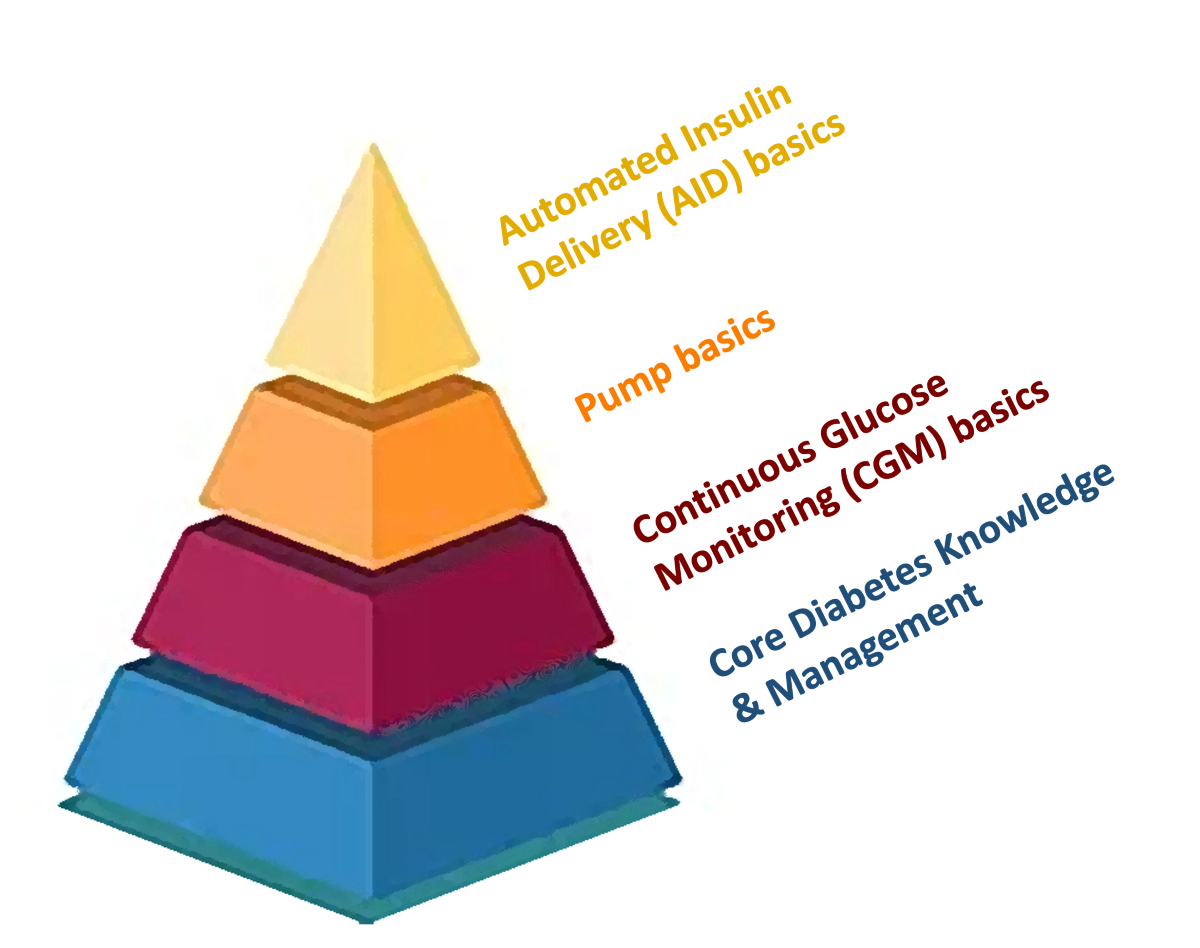
Successful onboarding of AID technology requires both you and your and patients to receive structured training. For HCPs, the CARES framework offers a useful approach. It stands for Calculates, Adjust, Reverts, Educate, and Sensor/Share. It is useful for understanding how each AID system calculates insulin delivery, when it reverts manual mode, and how to interpret continuous glucose monitoring (CGM) data. In turn, patients need education on core diabetes management principles, including meal bolusing and responding to alarms. Simulation apps and comprehensive pre-AID education programs, such as the PANTHER program, can provide valuable hands-on experience for both HCPs and patients.
Build on Basics to Provide Comprehensive Pre-AID Education