Type 1 diabetes tried to make my life smaller. I refused.
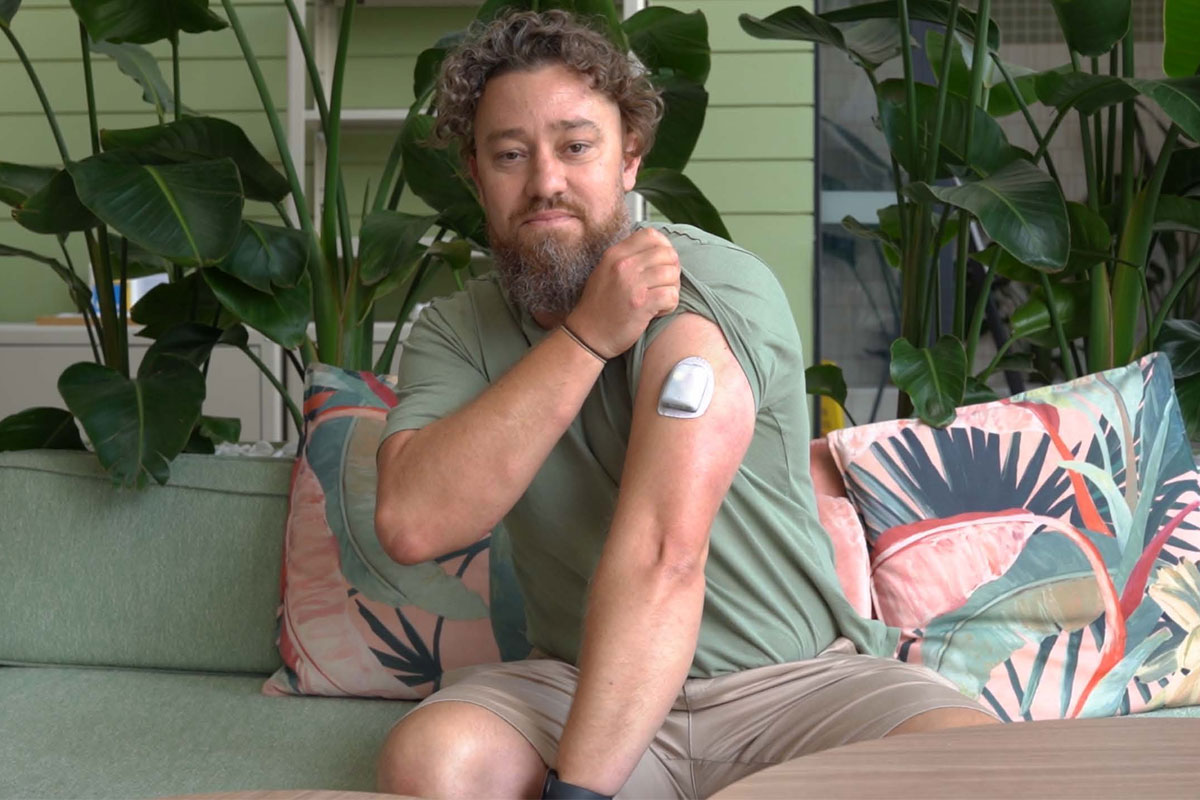
Joshua Parsons is a Gold Coast-based Type 1 diabetes advocate, diagnosed at age two, and forthcoming author of The Life I Was Never Supposed To Shrink. He shares his story to show others that diabetes is serious — but it does not have to shrink your life.
Growing up with type 1 diabetes
I was diagnosed with Type 1 diabetes when I was two years old. I don't have a memory of life before insulin, blood checks, needles and hospital visits — diabetes has simply always been the room I live in.
For a lot of people, diabetes is understood through numbers: blood glucose, insulin doses, HbA1c, time in range. All of that matters. But what's spoken about less is the emotional side — the mental load, the fear of being different, the responsibility that starts before you're old enough to understand it.
Somewhere along the way, I made a decision. Diabetes could be part of my life. It was not going to become the size of my life.
The first time diabetes got serious
I was in Grade 4, playing soccer after school with friends, still in our school clothes. The field was that almost-too-green colour of a late afternoon, sun low and golden. I remember running. I remember kicking the ball. Then nothing.
No memory of feeling strange. No memory of slowing down. Just a blank space — and then I was waking up in the back of an ambulance.
A paramedic was leaning over me. "Josh, it's alright. You're with us now." Mum was at the end of the ambulance — she hadn't even been at the game, someone had called her. Then I looked down and saw a needle in my arm. In my memory, it was massive.
I'd forgotten my afternoon tea, then burned through what little I had left running around a field for an hour. With Type 1, small things can grow teeth — a missed snack isn't always just a missed snack.
It didn't make me scared of sport. If anything, I was annoyed the game had stopped. But something quieter settled in afterwards — not fear, more a low hum of knowing this was real. That freedom needed preparation. That being active and adventurous was still completely possible, but pretending my body had no limits wasn't strength. There's a difference between a life that's free and a life that's careless — and learning it early shaped everything that came after.
The mental load people don't always see
Living with Type 1 is not just physical, it's mental too. The constant checking. The planning before exercise. The thinking before food. The nights your blood sugar doesn't do what you expected.
That can be exhausting, and I think it's important to say that out loud — especially for young people, for parents, for anyone who feels like they have to quietly carry what they're going through.
Feeling tired doesn't mean you're weak. Feeling overwhelmed doesn't mean you're failing. It means you're human, carrying something real.
Choosing freedom: my technology journey
For years I avoided insulin pumps altogether. I was active, playing sport, moving constantly, and the idea of tubing catching on things during a game didn't appeal to me at all. So I stayed on daily injections a long time.
Eventually I looked at the options properly and moved onto a tubeless pump, worn directly on the body. Some mornings I still catch myself mid-routine, remembering I no longer need a long-acting injection, and it stops me for a second — that's not a small thing after decades built around needles.
Pairing that with a CGM changed things again. No more finger pricks*, no more squeezing out a stubborn drop of blood before a game. Just information, sitting quietly on my arm, doing the watching so I didn't have to do all of it myself.
The technology itself keeps evolving fast — trend arrows, alerts, automation that adjusts insulin in the background. None of it removes diabetes. Some days the alarms still drive me mad. But it gave me back room to move, train, travel and live without diabetes needing to sit front and centre every second. That room is everything.
What I'd tell a young person with type 1 diabetes — or their parents
Trial and adjustment beats perfection. You won't get it right from day one, and you're not supposed to. Work with your diabetes team to find what actually fits your life.
Freedom means preparing, not avoiding. Sport, travel, big nights, big risks — all of it is still yours. Just take it on with a plan.
Ask for help before it's a crisis. If you're carrying the mental side of diabetes alone, that's the thing to change first.
To parents: your child's life can still be full, adventurous and exciting. Teach them the respect diabetes demands, then let them go and live.
Still writing the next chapter
That kid in the ambulance had no idea what was ahead.
Since then, I've climbed mountains and jumped out of planes above them. I've sailed for weeks with nothing but ocean on every side. I've snowboarded down slopes I had no business attempting and snorkelled reefs I'll never forget. I've built a career, chased goals, taken risks that scared me, and lived a life that, on paper, a two-year-old freshly diagnosed with Type 1 was never supposed to get to have.
None of it happened because diabetes made things easy. It happened because somewhere along the way, I stopped asking diabetes for permission and started asking it for a plan.
That's the difference I keep coming back to — between a life that's free and a life that's careless. Between shrinking and preparing. It's the thread running through every chapter of my life so far, and it's the same thread running through the book I'm currently writing, The Life I Was Never Supposed To Shrink. It's not a diabetes manual. It's the story of what happens when you refuse to let something serious become the whole story.
I'm still writing it — much like I'm still writing the life it's about.
You're not alone
Living with Type 1 is hard some days and completely unremarkable on others. But there's support, there's technology that keeps improving, and there's a community that understands exactly what you're carrying.
Type 1 diabetes tried to make my life smaller. I refused. Yours can be full too.