Alleviating the Burden of MDI in Diabetes Management | HCPs

Reducing the Burden of Multiple Daily Injections (MDI): Strategies, Support, and Advancing Technologies 

MDI remains a widely used approach to insulin delivery in type 1 diabetes (T1D) management.1 MDI involves a complex regimen of bolus and basal injections, typically ≥3 bolus and 1-2 basal injections daily.1 This equates to 32 injections per week, 140 injections per month, and 1,643 injections per year. Given this frequency, it’s not surprising that MDI poses considerable amount of physical, emotional, and mental challenges.  
 

Understanding the Burden of MDI

Physically, repeated injections can cause discomfort, bruising, and lipohypertrophy—changes in subcutaneous tissue that impairs insulin absorption and glycaemic control. 

Emotionally, the constant need to self-manage insulin routines around meals, exercise, travel, and social activities can feel relentless. Many find injections mentally taxing: 25% report limiting lifestyle activities and 22% say they need time to prepare themselves before injecting.3  

The mental toll includes remembering injection timing and locations, managing supplies discreetly, and responding to daily fluctuations in routine. This can lead to fatigue, burnout, and disengagement. For healthcare professionals, acknowledging this invisible strain is essential for tailoring care that fits both patient goals and lived experiences.

Addressing Non-Adherence and Enhancing MDI Management

Non-adherence to insulin therapy is common, 57% of individuals skip injections intentionally.3 Emotional fatigue, psychological distress, disrupted routines, and injection discomfort are key contributors. Addressing these barriers with tailored, empathetic interventions can help reduce long-term complications.

Improving adherence means meeting individuals where they are. Simple strategies like linking injections to daily routines, using digital reminders, or organising supplies in a discrete kit can ease the burden. Clinicians can further offer guidance on injection technique and rotation to reduce pain and lipohypertrophy.2

Improving MDI adherence means embracing a whole-person model: blending education, behavior strategies, and emotional scaffolding. Open dialogue and personalised care plans empower individuals and increase their confidence in diabetes self-management.

Advancing Care with the Omnipod® 5® System


Image
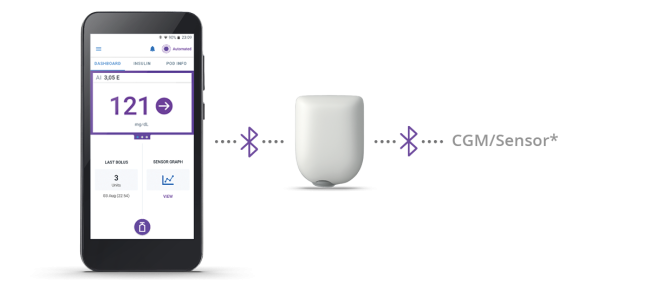
Omnipod 5 with Pod and CGM/Sensor


For individuals who find MDI unsustainable, Omnipod 5 offers a meaningful shift. This wearable, tubeless system automates insulin delivery to personal needs when used with continuous glucose monitoring (CGM) systems, to ease diabetes management.

Omnipod 5 uses SmartAdjust™ technology to adjust insulin delivery every five minutes in response to glucose trends. The result is a hybrid closed-loop system that helps reduce diabetes distress.

Compared with MDI, the convenience is striking.

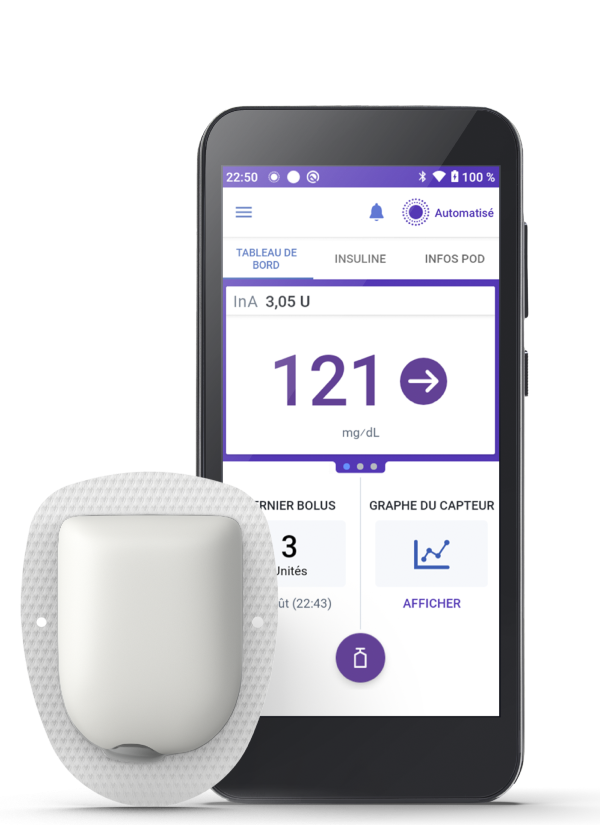
A single Pod replaces about 14 manual injections, dramatically easing daily routines.* 
 

Omnipod 5 with Pod in French Omnipod 5 with Pod in French
1 Auto-cannula insertion
VS.
One Pod equals 14 daily injections graphic One Pod equals 14 daily injections graphic
~14 Syringe/Pen injections1 [Chiang et al/P2046/Col3/§Recommendations/Bullet 1]

Additional features include customisable glucose targets, a Custom Foods Feature to simplify carb counting and an Activity Feature that temporarily decreases insulin delivery during exercise. With the data automatically connected and uploaded to Glooko®, a connected data platform, clinicians can review glucose and insulin data to make timely, data-informed decisions.

Clinician FAQs

What strategies can support people using MDI more effectively?

What are the most common reasons people miss their MDI doses?

What is the role of Glooko® in supporting insulin management with Omnipod 5?

What training is needed to transition my patients from MDI to Omnipod 5?

Can my patient try on the Pod?

*14 injections/3 days based on people with T1D on MDI taking ≥3 bolus and 1–2 basal injections/day multiplied by 3 days.1 

The Omnipod 5 Automated Insulin Delivery System is a single hormone insulin delivery system intended to deliver U-100 insulin subcutaneously for the management of type 1 diabetes in persons aged 2 and older requiring insulin. The Omnipod 5 System is intended for single patient use. The Omnipod 5 System is indicated for use with NovoLog®/NovoRapid®, Humalog®, Trurapi®/Truvelog®/Insulin aspart Sanofi®, Kirsty®, and Admelog/Insulin lispro Sanofi U-100 insulin. Refer to the Omnipod® 5 Automated Insulin Delivery System User Guide and www.omnipod.com/safety for complete safety information including indications, 
contraindications, warnings, cautions, and instructions.

1. Chiang JL, Kirkman MS, Laffel LM, Peters AL; Type 1 Diabetes Sourcebook Authors. Type 1 diabetes through the life span: a position statement of the American Diabetes Association. Diabetes Care. 2014;37(7):2034-2054. 
2. Blanco M, Hernández MT, Strauss KW, Amaya M. Prevalence and risk factors of lipohypertrophy in insulin-injecting patients with diabetes. Diabetes Metab. 2013;39(5):445-453. 
3. Peyrot M, Rubin RR, Kruger DF, Travis LB. Correlates of insulin injection omission. Diabetes Care. 2010;33(2):240-245.